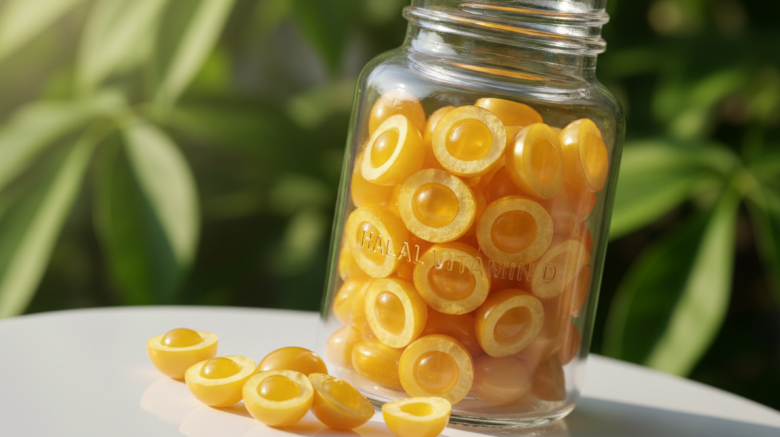
Seeking reliable Vitamin D Halal Supplements is vital for both health and faith. In the U.S., many shoppers look for halal vitamin d that adheres to dietary laws. This ensures support for bone, immune, and muscle health. Consumers increasingly expect halal certified vitamin d, clear labels, and ethically sourced ingredients. Sellers frequently highlight GMO-free ingredients, natural formulas, and packaging aligned with faith values. Promotions often include free shipping on orders above $55, satisfaction guarantees, and limited-time bundles or freebies.
Click Here to Explore Vitamin D Halal Supplements
This guide helps U.S. families and ethically minded shoppers choose the best halal vitamin d supplement. It explores certification, supplement forms, health benefits, and where to buy. It also reviews top brands, safety tips, and ways to understand IU values and ingredient labels.
A Guide To Halal Certification For Supplements
Halal certification is meant to ensure that a supplement complies with Islamic dietary laws from sourcing to packaging. This process involves reviewing ingredient origins, manufacturing practices, storage, and handling. This is to prevent any forbidden materials or cross-contamination. This gives shoppers reassurance about integrity and traceability, helping vitamin d halal supplements feel more trustworthy.
What halal certification means in vitamins and supplements
Certifiers confirm that animal-derived ingredients, such as gelatin, are either absent or sourced from permissible animals processed according to Islamic guidelines. They also examine solvents, excipients, and flavorings to ensure no forbidden substances are present. Brands that sell halal certified vitamin d often provide documentation showing ingredient origins and certificate numbers for verification.
Common U.S. certification bodies and labels to look for
Look for seals from recognized organizations such as the Islamic Food and Nutrition Council of America (IFANCA), endorsements from the Islamic Society of North America (ISNA), or U.S.-recognized affiliates of the Halal Food Authority (HFA). International certifiers with U.S. representation also often appear on product pages. Retailers selling vitamin d halal supplements often show certifier logos and certificate IDs in the product description.
How halal certification differs from other quality seals (GMP, non-GMO, organic)
Good Manufacturing Practices (GMP) are centered on consistent production and safety controls. That said, GMP does not cover religious permissibility. A Non-GMO label addresses ingredient genetics, not halal compliance. USDA Organic focuses on federally regulated agricultural and handling practices, and those standards remain separate from halal requirements.
| Seal | Primary Focus | Key details to check |
|---|---|---|
| Halal certification (IFANCA, HFA, ISNA) | Religious permissibility of ingredients and manufacturing processes | Certificate number, certifier contact, audit date, scope (ingredients, factory lines) |
| Good Manufacturing Practices (GMP) | Manufacturing controls and documentation | Audit reports, batch controls, and cleanliness records |
| Non-GMO verification | Genetic sourcing of agricultural ingredients | Sourcing details and testing protocols |
| USDA Organic | Organic farming practices and product integrity | USDA certifier details, residue testing, and percentage of organic ingredients |
Consumers looking for halal vitamin d capsules or similar products should ask for visible certificate numbers and certifier contact details if anything is unclear. Verify the certifier’s website to confirm current status and scope of approval.
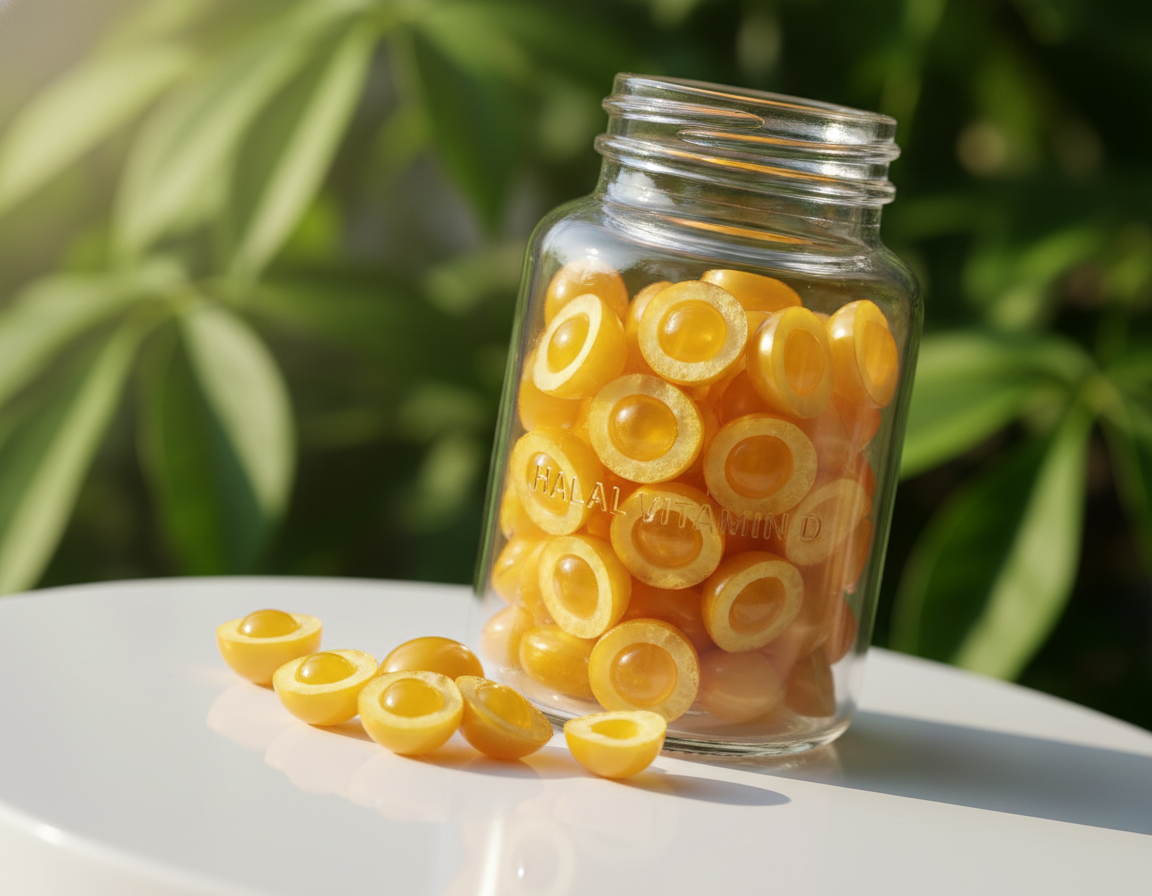
Choosing Vitamin D Halal Supplements
When choosing a vitamin D product, it is important to review both the active form and the capsule or gummy base. Anyone searching for halal vitamin d should understand which forms align with dietary laws. It’s also important to consider how the dosing options cater to family needs.
Forms of Vitamin D
Vitamin D3, or cholecalciferol, is the preferred choice for its potency. Many D3 products are derived from lanolin found in sheep’s wool or from fish oil. The halal status of these animal-derived sources should always be verified.
Vegan D3, sourced from lichen, is a growing option that aligns with halal dietary preferences. Vitamin D2, ergocalciferol, is plant-based and can be halal if processed correctly. Yet, it generally has less potency than D3.
Why source is important
A lot of softgels and gummies contain gelatin that may come from porcine or non-halal bovine sources. Anyone seeking halal vitamin d should look for halal gelatin, pectin, carrageenan, or vegetarian capsules listed on the label.
Certain products prominently show halal certification and emphasize the absence of artificial flavors or added sugars. Clear source statements, such as lichen, vegan D3, halal gelatin, or pectin, help support authenticity.
Halal-certified dosing options
Gummies are popular because of their taste and convenience. A common serving offers 1,000 IU (25 µg), making gummies practical for households or individuals aged 11 and above.
Capsules and tablets vary widely, from 400 IU to 5,000 IU. Higher-dose choices should be guided by a healthcare professional and by the person’s deficiency status. There are halal vitamin d capsules in both vegetarian and halal-certified formats for a range of preferences and needs.
Liquid drops are often ideal for infants and for people who struggle to swallow pills. The ingredient list should always be checked for halal-sourced excipients and clear certification.
Helpful shopping tips
- Seek labels that explicitly identify the D3 source, including options like lichen or vegan D3.
- Confirm whether the capsule or gummy base uses halal gelatin, pectin, or a vegetarian capsule.
- Compare product claims and third-party halal certification seals before buying the best halal vitamin d supplement for your household.
Why Halal Vitamin D Benefits Adults And Families
Opting for halal vitamin d supplements is a smart choice for families. It allows them to support daily nutrient needs without compromising dietary restrictions. These supplements are backed by science, supporting bone health, muscle function, and immune system regulation.
Bone and tooth support benefits
In the gut, vitamin D supports the absorption of calcium and phosphorus. That process helps maintain normal blood calcium levels. It is essential for healthy bones and teeth and supports both children and aging adults.
Muscle support and fall risk
Taking vitamin D can support healthy muscle function. Research suggests that adequate vitamin D levels may reduce fall risk in older adults. This is due to improved strength and balance. For families, this can help support mobility through different life stages.
Immune system support
Vitamin D also plays an important role in immune regulation. Many products emphasize immune-supporting benefits that are backed by clinical evidence. People often choose halal vitamin d to bolster their family’s immune system, alongside other healthy practices.
Age-appropriate dosing and blood testing
Age influences recommended vitamin D dosing. Children typically need 400–800 IU, while most adults require 600–800 IU. Adults often take 1,000–2,000 IU daily. Always consult a doctor for higher doses.
People at risk are often advised to test serum 25-hydroxyvitamin D levels. Groups at risk include people with limited sun exposure, darker skin, or specific medical issues. Testing helps make vitamin d halal supplements safer and more effective while reducing the risk of excessive intake.
Helpful advice
Before beginning any supplement, speak with a healthcare provider about dosing and interactions. That personalized guidance helps align halal vitamin d benefits with your health needs and any medications you use.
Leading Halal Vitamin D Brands And Product Types
Choosing between gummies, capsules, and softgels involves considering taste, dosing, and ingredient sources. Shoppers looking for top halal vitamin d brands should look for products with a visible halal certifier logo. They should also check for a certificate number and clear D3 sourcing.
It’s important to note whether D3 comes from lichen, lanolin, or fish oil. Also, verify if capsules use halal gelatin, pectin, or a vegetarian shell.
In the U.S., common product types include orange-flavored chewable gummies at 1,000 IU with 60-count bottles. There are also vegetarian softgels and capsules that highlight ethical sourcing and natural ingredients. Such options may work well for families, adults with swallowing difficulties, and people limiting added sugar intake.
When choosing the best halal vitamin d supplement, consider certification, ingredient transparency, flavoring, and sugar content. Some gummies have no artificial flavors and no added sugar. Others may list sucrose or sweeteners, which is important for those monitoring sugar intake.
Trust indicators from customers are often important when making a choice. It helps to examine star ratings and reviews on different retail platforms. Return policies, shipping terms, and satisfaction guarantees should also be reviewed. Many U.S. sellers offer free shipping on orders over $55 and free returns within a set window. Gift packs and bundles are frequently available, with testimonials often emphasizing energy or general wellbeing.
Below is a table comparing representative product types and the key attributes shoppers often care about.
| Type of Product | Usual Dose | Common D3 Source | Capsule/Base | Important Buyer Considerations |
|---|---|---|---|---|
| Gummies (orange-flavored) | 1,000 IU per chew | Lichen-based or lanolin-based | Pectin base or vegan gummy material | Flavor, sugar content, child-friendly use, and a visible halal certificate |
| Vegetarian capsules | 1,000 to 2,000 IU | Lichen-based or lanolin-based | Vegetarian capsule (HPMC) | D3 source clarity, allergen labeling, and more concentrated adult dosing |
| Softgels (halal) | 1,000–5,000 IU range | Lanolin or fish-derived | Halal gelatin or another approved base | Certificate ID visibility, absorption messaging, and suitability for higher-dose users |
| Chewable tablets | 400 to 1,000 IU | Lichen | Chewable base without gelatin | Child-friendly lower dosing, sugar-free availability, and simple administration |
Before buying, check independent reviews and retailer policies carefully. Confirm the halal certified vitamin d claim by checking the certifier name and any certificate ID on product pages. This step reduces risk and helps you choose the best halal vitamin d supplement that meets your taste, budget, and dietary needs.
Where To Find Halal Vitamin D And Choose Wisely
Trusted retailers and clear labeling are the starting point for locating reliable vitamin d halal supplements. Buyers should seek sellers that display halal certification and list ingredients clearly on the product page. This helps confirm that the D3 comes from lichen or that the capsule base is halal-certified.
In the United States, options include direct brand sites, specialty halal marketplaces, and major online platforms with certification logos. Halal vitamin d capsules and gummies can also be found in local natural-food stores and community markets. This allows for personal inspection of packaging.
Shopping checklist
- Confirm a visible halal certification logo and certificate number on the label or product page.
- Review the ingredient list to confirm the D3 source, such as lichen/vegan D3 or lanolin, and the capsule type, such as halal gelatin, pectin, or vegetarian.
- Whenever available, check for batch testing statements, third-party testing, and GMP compliance notes.
When comparing vitamin d halal supplements, consider price. Compare unit prices and serving counts rather than focusing only on the sticker price. Promotions, bundles, and subscription discounts can reduce overall cost. For larger households, free-shipping minimums—often around $50–$60—can influence the best buying decision.
| Buying Channel | What to Review | Common Benefits |
|---|---|---|
| Official brand website | Complete certificate images, ingredient sourcing details, and D3-origin FAQ | Latest products, subscription savings, and brand-run return policies |
| Specialized halal stores | Curated halal vitamin d capsules and community-based support | Certified-only selection, holiday bundles, cross-product discounts |
| Major e-commerce platforms | Customer reviews and multiple sellers, with certification verified on listings | Easy price comparison, quick shipping, and promotional coupons |
| Local health stores | In-person review of packaging and certification | Instant availability, easy returns, and staff recommendations |
Before buying, review the return policy and any subscription terms. Clear satisfaction guarantees and simple returns can reduce risk when testing a new brand. People who use vitamin D regularly may benefit from subscription plans that save money and ensure consistent supply.
For quick guidance on where to buy halal vitamin d, begin with well-known supplement brands that publish certifier information. Transparent labels, third-party testing, and easily accessible certificates should be priorities when buying halal vitamin d capsules.
Safety, Interactions, And Practical Usage Tips For Halal Vitamin D
Halal vitamin d supplements can offer health benefits when they are used properly. This guide covers interactions, storage, dosing, and label reading. That guidance helps people benefit from halal vitamin d without running into avoidable problems.
Interactions to watch for:
Anyone taking anticonvulsants like phenytoin or carbamazepine, long-term glucocorticoids, or fat-absorption-altering weight-loss drugs should inform a healthcare provider. Such medications may lower how effective halal vitamin d capsules are. People with hyperparathyroidism, granulomatous diseases, or advanced kidney disease should avoid high-dose vitamin D unless medically supervised.
Testing before using high doses:
Get a serum 25-hydroxyvitamin D test before starting high-dose vitamin D. This helps determine an appropriate dosage for older adults, nursing mothers, people with obesity, and those using certain medications. It helps avoid risks while maintaining the benefits of halal vitamin d.
Storage and timing guidance:
Keep vitamin d halal supplements in a cool, dry place, away from sunlight. Manufacturer storage guidelines should always be followed. Vitamin D is fat-soluble, so take it with a meal that includes healthy fats to enhance absorption.
Avoiding excessive intake:
Monitor your total daily intake from supplements and fortified foods. In general, 4,000 IU per day is a common upper limit for most adults without medical supervision. Higher doses require a doctor’s oversight and regular lab tests to prevent toxicity.
How to read labels:
Start by checking the IU amount per serving and the serving size. A useful conversion is that 1 IU of vitamin D equals 0.025 µg cholecalciferol. The ingredient list should also be reviewed for the D3 source and capsule base, with attention to halal certification.
Watch for extra ingredients:
Shoppers should pay attention to sugars, artificial flavors, and allergens. Many products state they have no artificial flavoring or added sugar. Look for a halal certification logo and the certifier’s name on the label. Quality assurance is further supported by third-party testing, USP or NSF statements, and GMP claims.
Practical steps for consumers:
Consumers should compare halal vitamin d supplements according to certification, ingredient transparency, and intended age range. It is also wise to keep packaging contact details in case customer service is needed. Careful storage, mindful dosing, and attentive label reading help families use halal vitamin d safely and effectively.
Closing Thoughts
Halal vitamin D supplements are available in many forms, such as gummies, capsules, chewables, and drops. Today, brands increasingly provide lichen-derived D3 and halal-certified product bases. This makes it easier for shoppers to find quality products that meet dietary needs.
Halal certification should be one of the first things checked when selecting a halal vitamin D supplement. It is also important to verify the D3 source and the material used in the capsule or gummy base. Consumers should also review IU dosage and any third-party testing. Other useful points include sugar content, flavoring, and customer reviews from reputable brands.
A healthcare provider should always be consulted for safe use. They can guide on dosing and blood level testing. Taking vitamin D with a meal that contains fat can improve absorption, and excessive intake should be avoided unless medically advised. Consider retailer policies, including where to buy, shipping, returns, and discounts, for a reliable shopping experience.